Advocacy · Prevention · Community

You Trusted Them With Your Roof. They Broke That Trust.
You're not the first business owner this has happened to and unfortunately, you won't be the last. But together, we can change that.
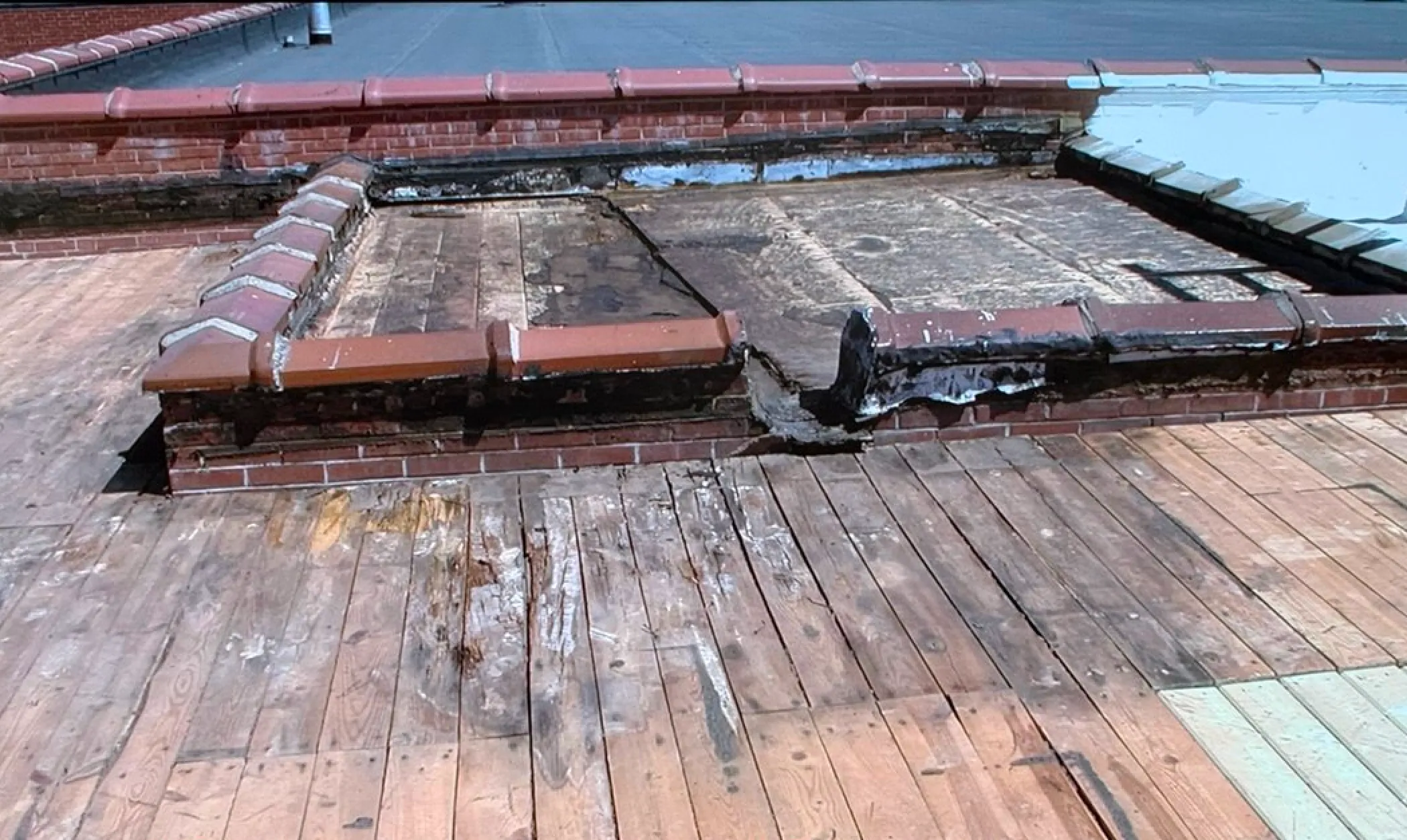
Flat roof with worn, damaged wooden surface and a brick edge showing signs of decay and weathering.

Why Should You Care?

A couple bad apples are making the roofing industry stink in the noses of hard-working Americans. You don't know if someone's gonna cut corners, install Styrofoam when they promised insulation, skip half the fasteners, use the wrong glue, or hire people who aren't W-2 workers authorized to work in America.

Most business owners don't get up there and supervise what's actually being installed. They just believe the fancy flyer that promised three layers of protection. No before photos. No during photos. No after photos. It's a scam.
"It's Harder to Find an Ethical Roofer Than a Good Mechanic"
— One of our members, after getting scammed TWICE.
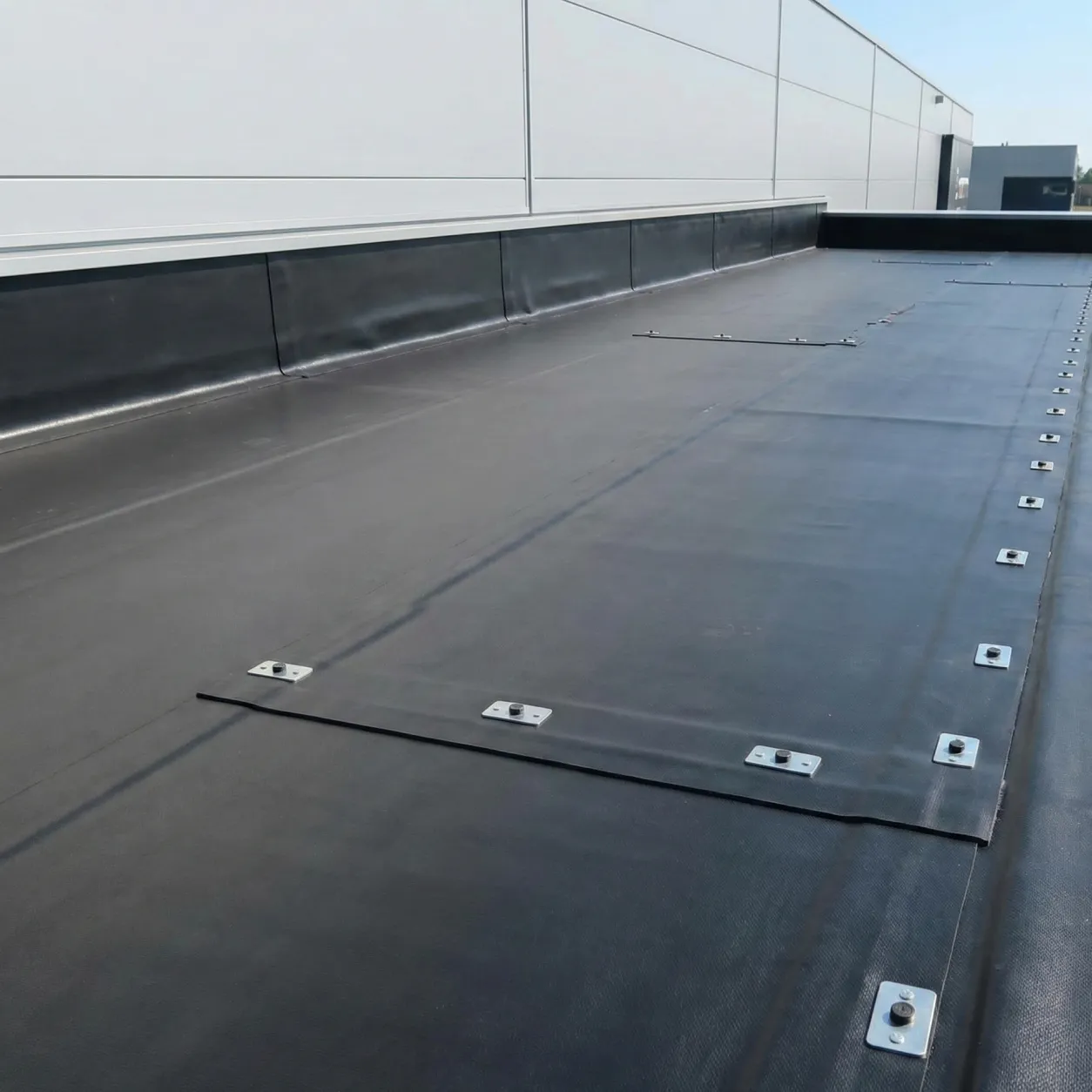
What they promised
Black rubber roofing membrane secured with metal fasteners on flat commercial roof under clear sky.
Green circle with a white check mark inside.
Proper Insulation
Green circle with a white check mark inside.
Thicker EPDM
Green circle with a white check mark inside.
Correct Fasteners
Green circle with a white check mark inside.
Authorized Workers
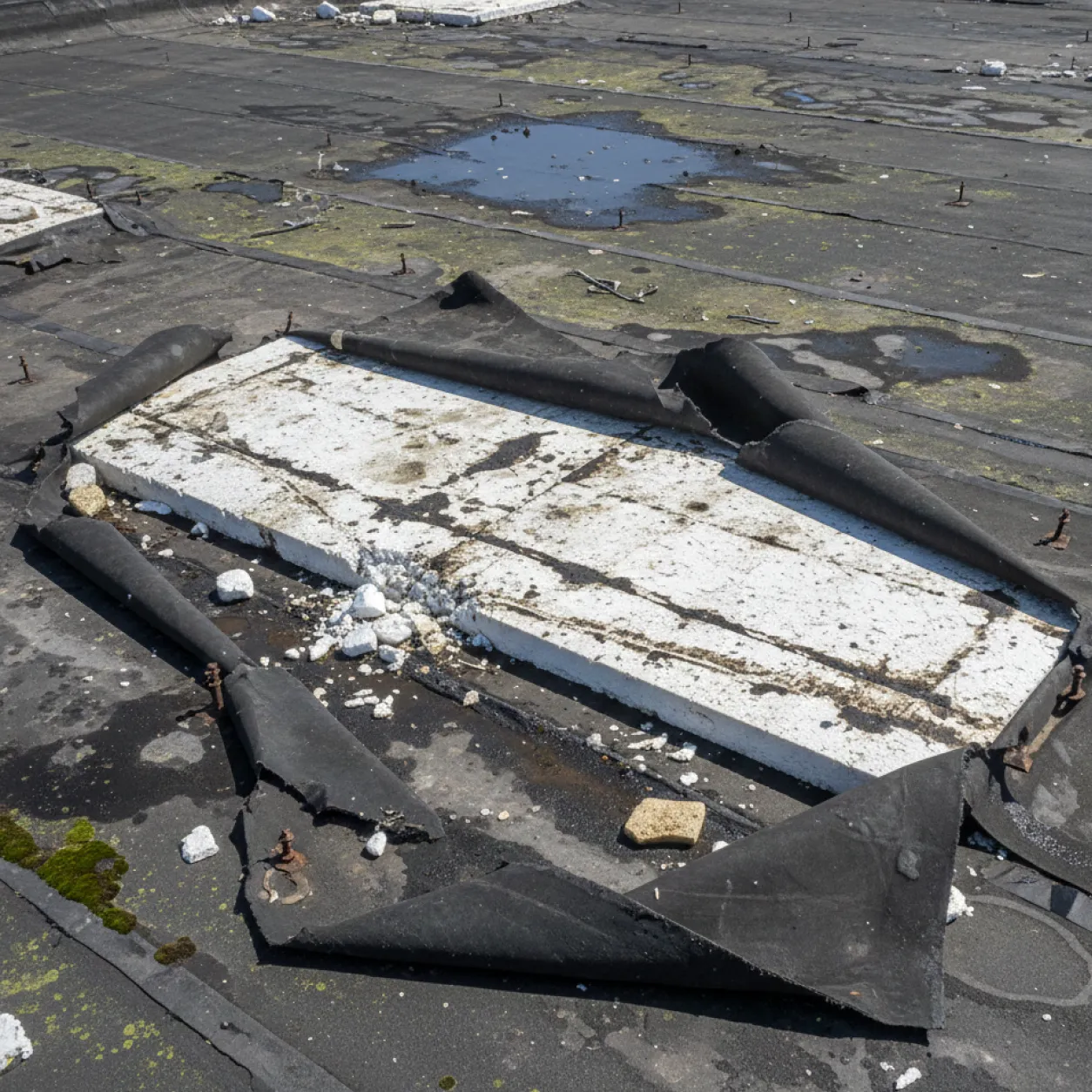
What They Actually Did
Damaged flat roof with torn black waterproofing and exposed dirty white insulation board with debris.
Red circle with white X symbol indicating an error or close action.
EPS Styrofoam
Red circle with white X symbol indicating an error or close action.
Thin EPDM
Red circle with white X symbol indicating an error or close action.
Half Fasteners
Red circle with white X symbol indicating an error or close action.
Unauthorized Workers

The Playbook They Don't Want You to See

We've reviewed dozens of proposals from scam roofing outfits across the country. The pattern is always the same.

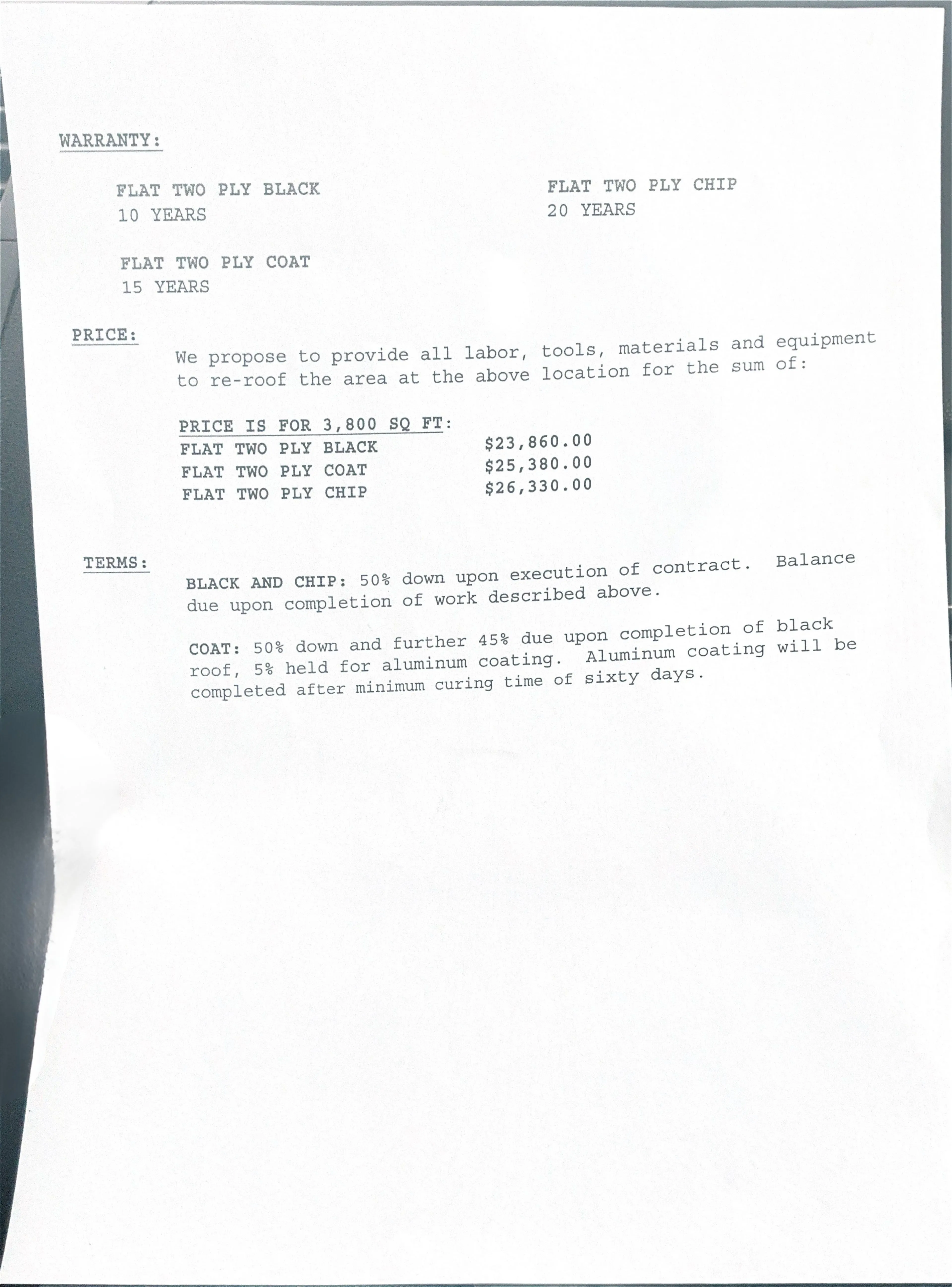
📄 The Proposal

[ Scanned proposal document ]
"7-8 layers of protection for your commercial roof"
Green circle with a white check mark inside.
Tar base coat
Green circle with a white check mark inside.
Fabric mesh reinforcement
Second tar layer
Aluminum topcoat
Full waterproofing system

📸 The Reality

[ Photo of actual roof install ]
"Aluminized sparkle dust and a thin topcoat. That's it."
Green circle with a white check mark inside.
No tar base — just paint
Green circle with a white check mark inside.
No fabric mesh anywhere
Sparkle dust sealer (nothing bonds to it)
One thin topcoat
Building owner is trapped
STEP 01

THE PITCH

[ Scanned proposal document ]
They walk in with a proposal that looks professional. Seven layers of protection. Tar base, fabric mesh, another tar layer, topcoat. It sounds bulletproof. On paper, you're getting everything your building needs.
STEP 02

THE INSTALL

[ Photo of sparkle dust roof ]
What actually gets installed: a thin coat of aluminized paint — what we call 'sparkle dust' — and a quick topcoat over the top. No fabric mesh. No real tar layers. No legitimate waterproofing.
STEP 03

THE TRAP

[ Photo of failed adhesion ]
That aluminized coating acts as a sealer. Once it's on your roof, nothing bonds to it. Silicone won't stick. Urethane won't stick. No legitimate roofer can apply a proper system over it. You're locked in.

Recognize the Playbook Before It's Too Late

Call Center Harassment

It often starts with a phone call. Then another. Then another. They'll badger, they'll push, they'll wear you down until you say yes just to make it stop. Ask to be taken off their list? They'll ignore it. For years.

And here's the long game: 5, 10, even 15 years later, they call back. "We can tear that whole roof off and put a brand new one on—just $100,000." Meanwhile, the materials they originally used might have cost them $5,000. The rest? Pure profit from your pain.

Know another scammer we should spotlight?
Submit a Tip
Four call center agents wearing headsets, focused on work in a row at their desks.

Red Flags: How to Spot a Scam Before You Sign

Not every roofer is out to scam you. But the ones that are have a playbook — and once you know what to look for, the red flags are impossible to miss.

01

Call Center Pressure Tactics

If the first contact comes from a call center — not a local roofer — that's your first warning. They'll call repeatedly, ignore your opt-out requests, and push hard to schedule.

02

Prices That Seem Too Good to Be True

A bid dramatically lower than every other quote means corners are being cut on materials, labor, or both. A $10k roof that should cost $25k means someone is skipping layers.

03

No Before, During, or After Photos

A legitimate roofer documents everything. If they don't offer photo documentation — or refuse when you ask — there's no accountability.

04

Workers Who Aren't W-2 Employees

Scam outfits use workers with no background checks, no workers' comp, and no accountability. This puts your building and your liability at risk.

05

No On-Site Supervision

No project manager on-site means nobody is verifying the materials or the scope. Without supervision, corners get cut and nobody is held accountable.

06

No Core Samples Taken

A responsible contractor takes core samples before any work begins. If they skip this, they're guessing — or they don't care what's underneath.

07

Warranty Loopholes

Watch for clauses like "biological contamination" that void the warranty if a leaf lands on the roof. A warranty full of escape clauses is a marketing prop.

08

Pressure to Sign Immediately

"This price is only good today." "We have a crew right now." These are sales tactics. A legitimate roofer gives you time to compare bids.

Protect Your Building: The Checklist

You don't need to be a roofing expert. You just need to know the right questions to ask before you hand over a deposit.

✓ Do This
Always get a core sample

Before any work begins, insist on core samples to understand existing layers, deck condition, and moisture levels.

Demand before, during, and after photos

Make it a written requirement that every phase is documented with photos.

Verify workers are W-2 employees

W-2 employees are covered by workers' comp and accountable to the company. Unverified labor puts your liability at risk.

Check manufacturer certifications

Certifications mean the manufacturer trusts the contractor to install their system correctly.

Read every line of the warranty get a core sample

Look for escape clauses — "biological contamination," maintenance schedules nobody told you about, weather exclusions.

Get references from local completed jobs

Ask for 3-5 commercial references from the last two years in your area. Then actually call them.

Get at least three bids and compare

Any contractor who says the price expires today is using pressure tactics, not offering a deal.

Verify licensing and insurance

Confirm valid state license, general liability, and workers' comp coverage before signing anything.

Put everything in writing

Every material spec, timeline, and payment term goes in the contract. If they won't write it down, walk away.

✕ Not That
Accept their word about what's on your roof
Trust the job was done right without proof
Assume the crew is insured and vetted
Take their word on product knowledge
Skim it and hope for the best
Skip the reference check
Sign under pressure on the first visit
Assume they're legitimate
Accept verbal promises

Share Your Story

Your story matters. Not because we want to dwell on what went wrong—but because sharing it might be the thing that saves another business owner from the same trap.

Lightbox sign with black letters saying 'SHARE YOUR STORY' on a wooden surface with scattered letters.

We've Been There. We're Using Our Journey to Protect Yours.

Roof Scam Recovery Group was founded by business owners who experienced the pain of being scammed firsthand. We know what it's like to trust someone with your hard-earned money, only to watch them install inferior materials, cut corners, and disappear when problems arise.
This isn't just a website. It's a movement. We're an advocacy group committed to preventing pain through awareness and shared stories. Every week, we meet business owners who've been burned by fly-by-night roofers - honest, hard-working Americans who are trying to feed their families and run their companies.
A couple bad apples are making the roofing industry stink. We're here to change that - one protected business at a time.
Raised hand with a warning triangle symbol indicating caution or prevention.
Prevention
Stop the scam before it happens
Hand holding a heart symbol representing care and support.
Compassion
We've been scammed too
Blue megaphone icon symbolizing public relation or announcement.
Awareness
Shine light on deceptive tactics
Icon of three abstract human figures with raised arms symbolizing community and teamwork.
Community
Sharing stories protects others
Icon of a balance scale symbolizing justice and fairness.
Justice
Hold scammers accountable

Protect Yourself Before It's Too Late

We put these free resources together because we wish someone had given them to us.

How to Avoid Roof Scams: The Complete Guide

Red flags to watch for
Questions to ask before hiring
What proper roofing should look like
Before/during/after photo requirements
Warranty red flags
Thank you! Your submission has been received!
Oops! Something went wrong while submitting the form.
Stop the Harassment: How to Enforce Your Do-Not-Call Rights
Business owners ARE consumers (you have rights)
How to get on the do-not-call list
Recording calls for evidence
Filing complaints with FTC
Template cease-and-desist letter
Thank you! Your submission has been received!
Oops! Something went wrong while submitting the form.
Roof Materials 101: What You're Actually Paying For
EPS Styrofoam vs. proper insulation
45 mil vs. 60 mil vs. 90 mil EPDM thickness
Fastener requirements by roof size
The sparkle dust scam explained
Silicone vs. urethane vs. tar coatings
Thank you! Your submission has been received!
Oops! Something went wrong while submitting the form.
What to Do If You've Already Been Scammed
Document everything (photos, contracts, emails)
File BBB complaint
Contact state licensing board
Small claims court process
Finding a legitimate contractor to fix the damage
Thank you! Your submission has been received!
Oops! Something went wrong while submitting the form.